Open category
Coming soon
Next announcement
The Open Category winners, selected stories, and judges’ report will be published in the next stage of the competition.

2026 short story competition
Celebrating the winners of the Checketts McKay Short Story Competition 2026.
About the collection
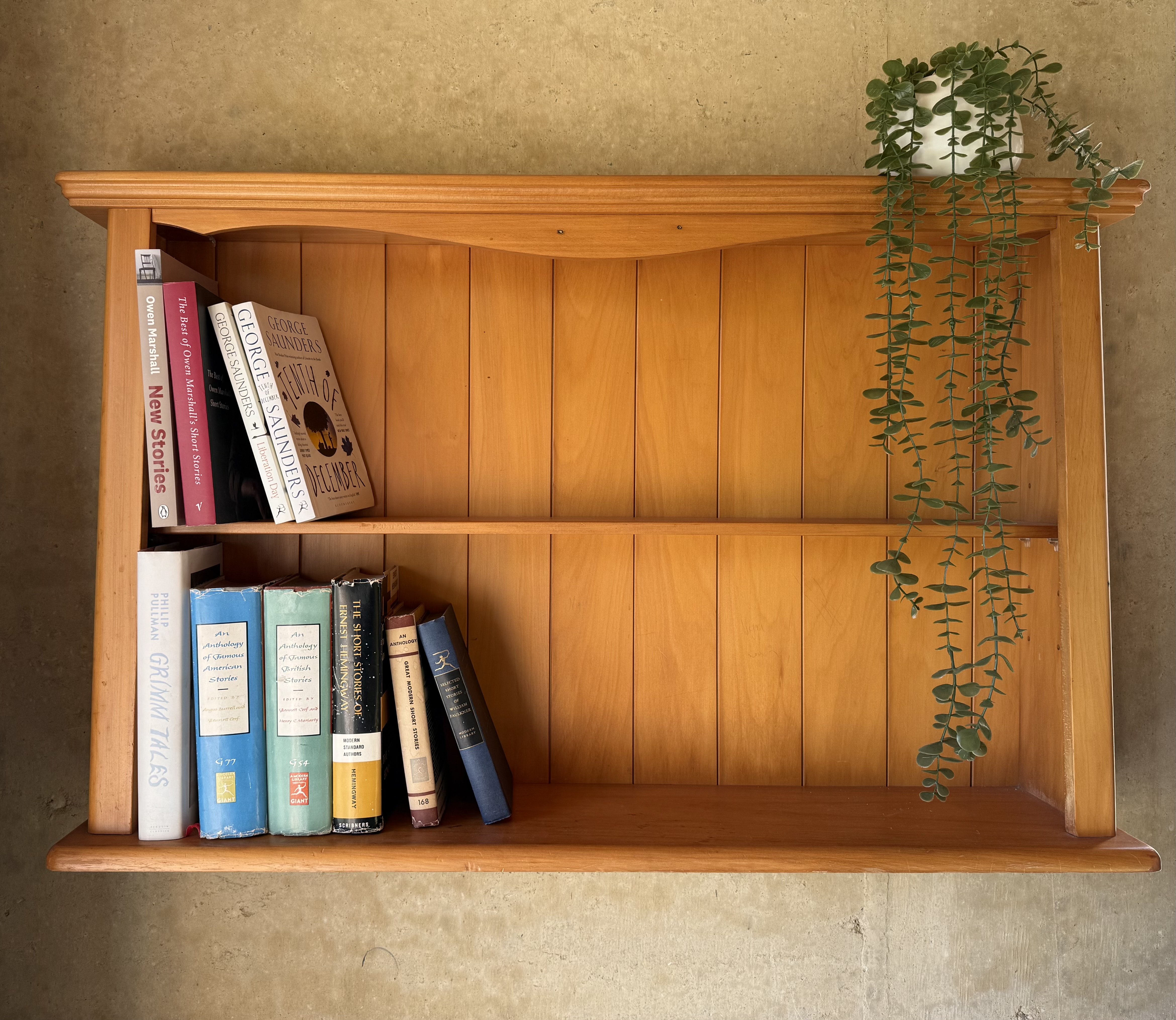
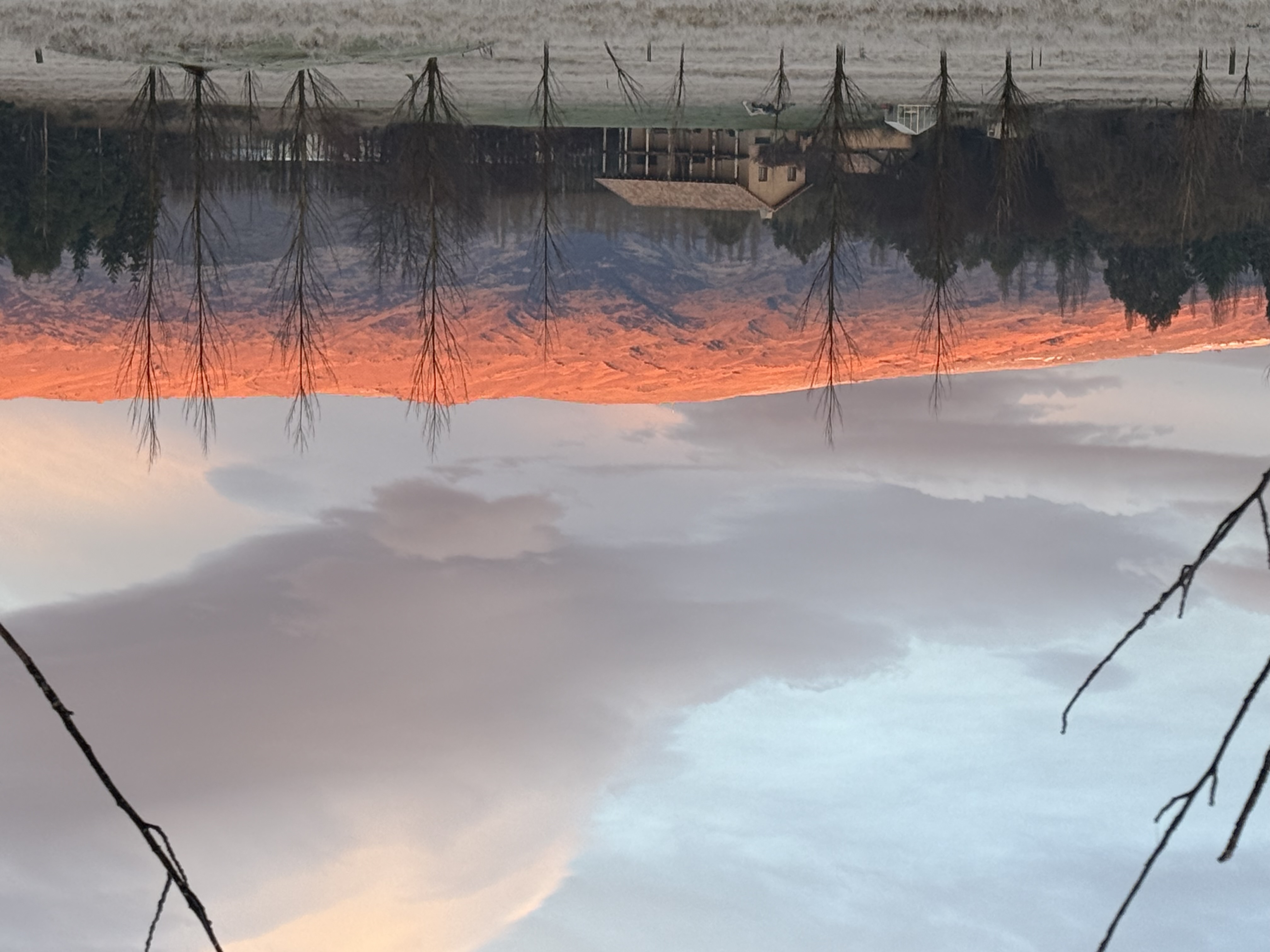
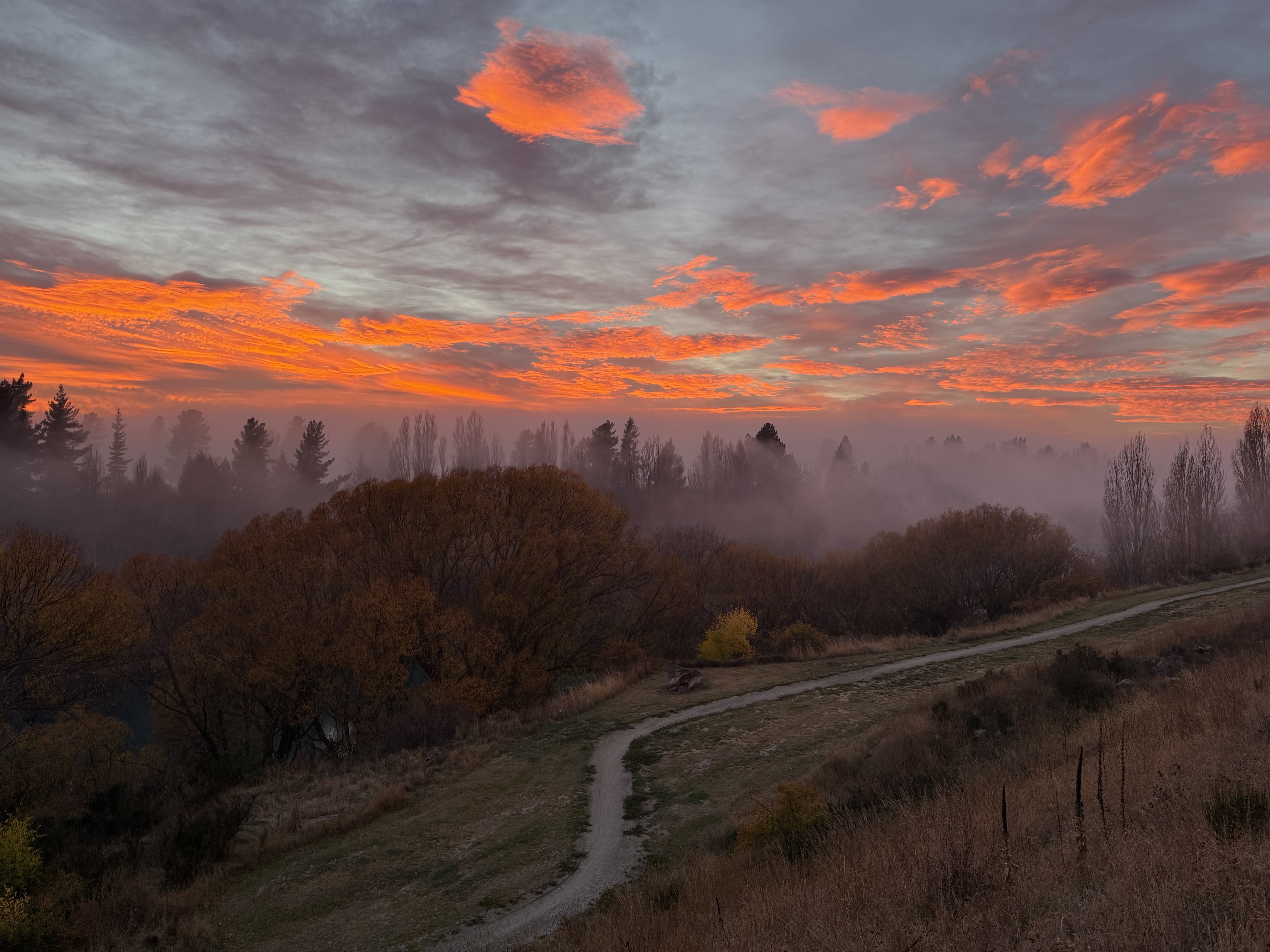
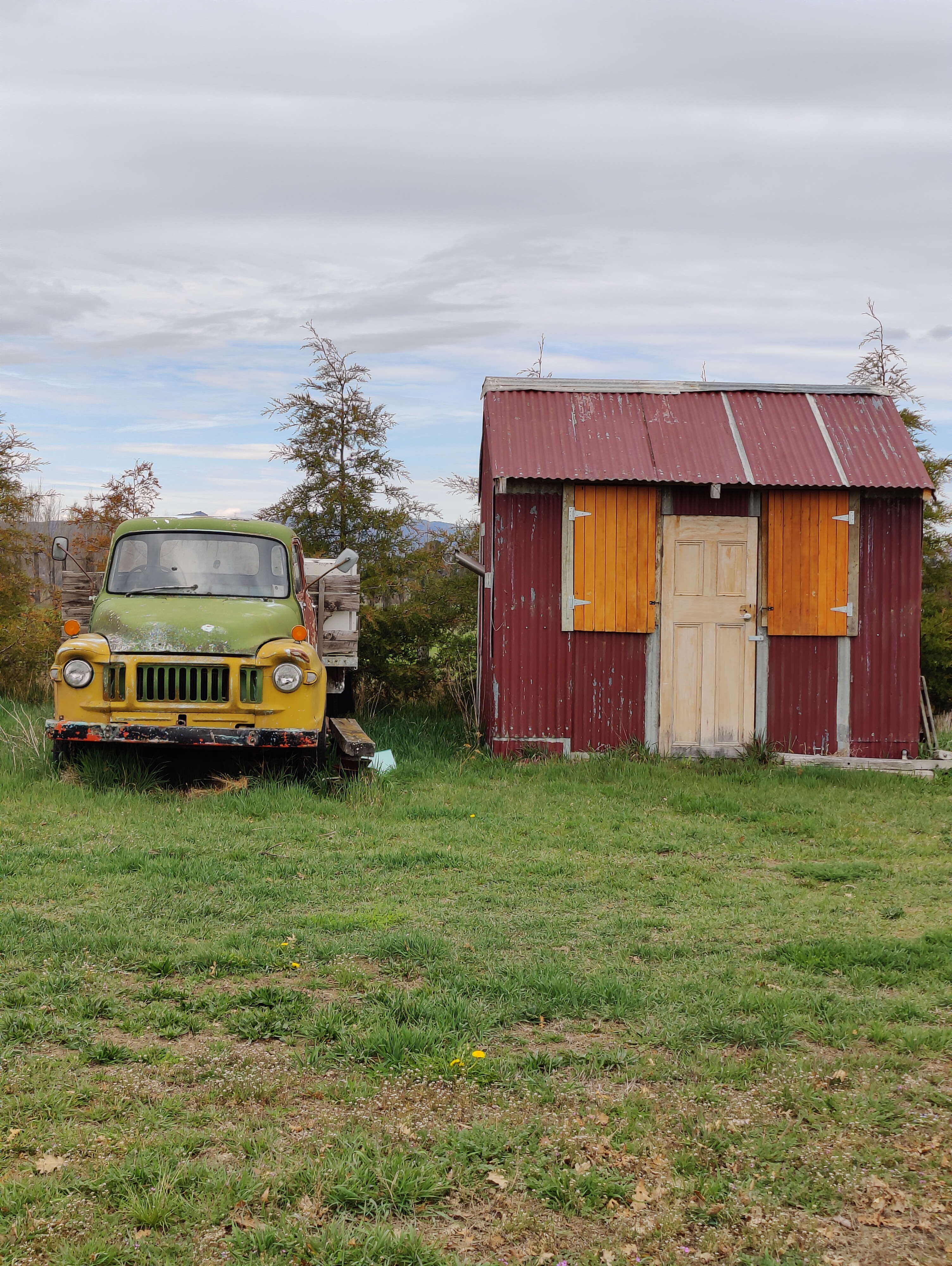
This collection brings together selected entries from the Checketts McKay Short Story Competition. The open category is nationwide for writers aged 18+, while the school categories are for schools in Central Otago and Queenstown Lakes. Each story has some connection to this place, whether through landscape, history, memory, community, or imagination.
2026 awards
Judged by Rosemary Riddell and Bridget Auchmuty, assisted by Annie Villiers as Chief Sifter.
School results are now available. Select any story title to read it in the collection, or read the School Competition judges’ report. Open Category results and the judges’ report will be announced soon.
Open category
Next announcement
The Open Category winners, selected stories, and judges’ report will be published in the next stage of the competition.
School category
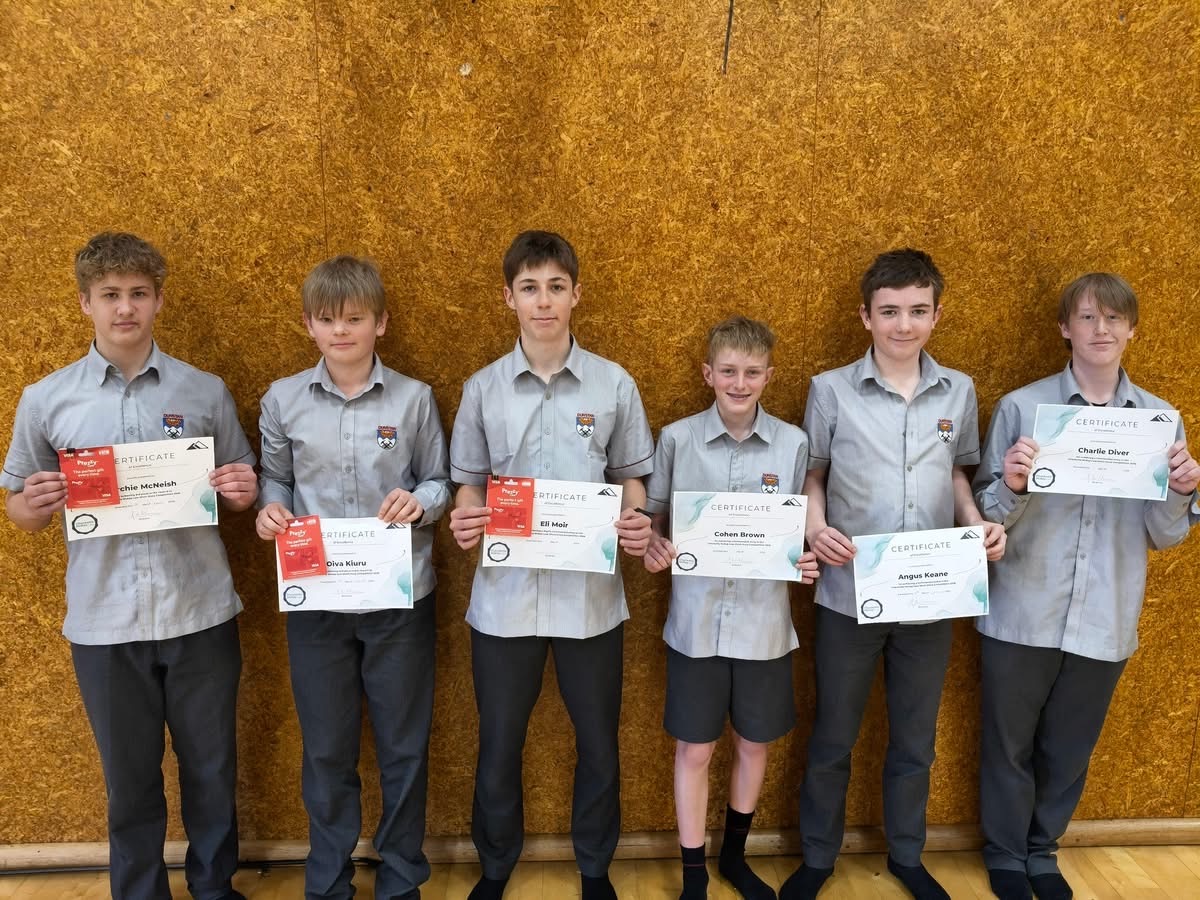
After the ThawJack Letts · Dunstan High School
300 KilosOiva Kiuru · Dunstan High School
The Pie PerpetratorArchie McNeish · Dunstan High School
The New GirlNicole Gumasing · Cromwell College
Drowned VillageArlee Sutherland · Dunstan High School
The Colour of GoldMia Reardon · Mount Aspiring College
Meeting KurtJames Allan · Mount Aspiring College
The Unpaid Price for GoldEli Moir · Dunstan High School
A Happy HomeAngus Keane · Dunstan High School
The ClockCohen Brown · Dunstan High School
White DeathCharlie Diver · Dunstan High School
School category
The PostmasterRufus Irons · Arrowtown School
LiesEloise Crockford-Andrew · Arrowtown School
Jeremy and the Snowcapped MountainsTom Gibson-Padfield · Mount Aspiring College
Sticky ForestDamsara Kangara · Mount Aspiring College
The Long StalkChloe Biemond · Clyde Primary School
The 82nd PassengerCharlie Baumgren · Mount Aspiring College
She Lives in MemoriesJosie Settle · Cromwell College
School category
Mystery in OmakauEmma Bartlett · Omakau Primary School
The ObeliskTarn Yeoman · St Gerards Primary School
The MonsterMadison Speight · Cromwell Primary School
The Big FruitEdie Harkness · Goldfields Primary School
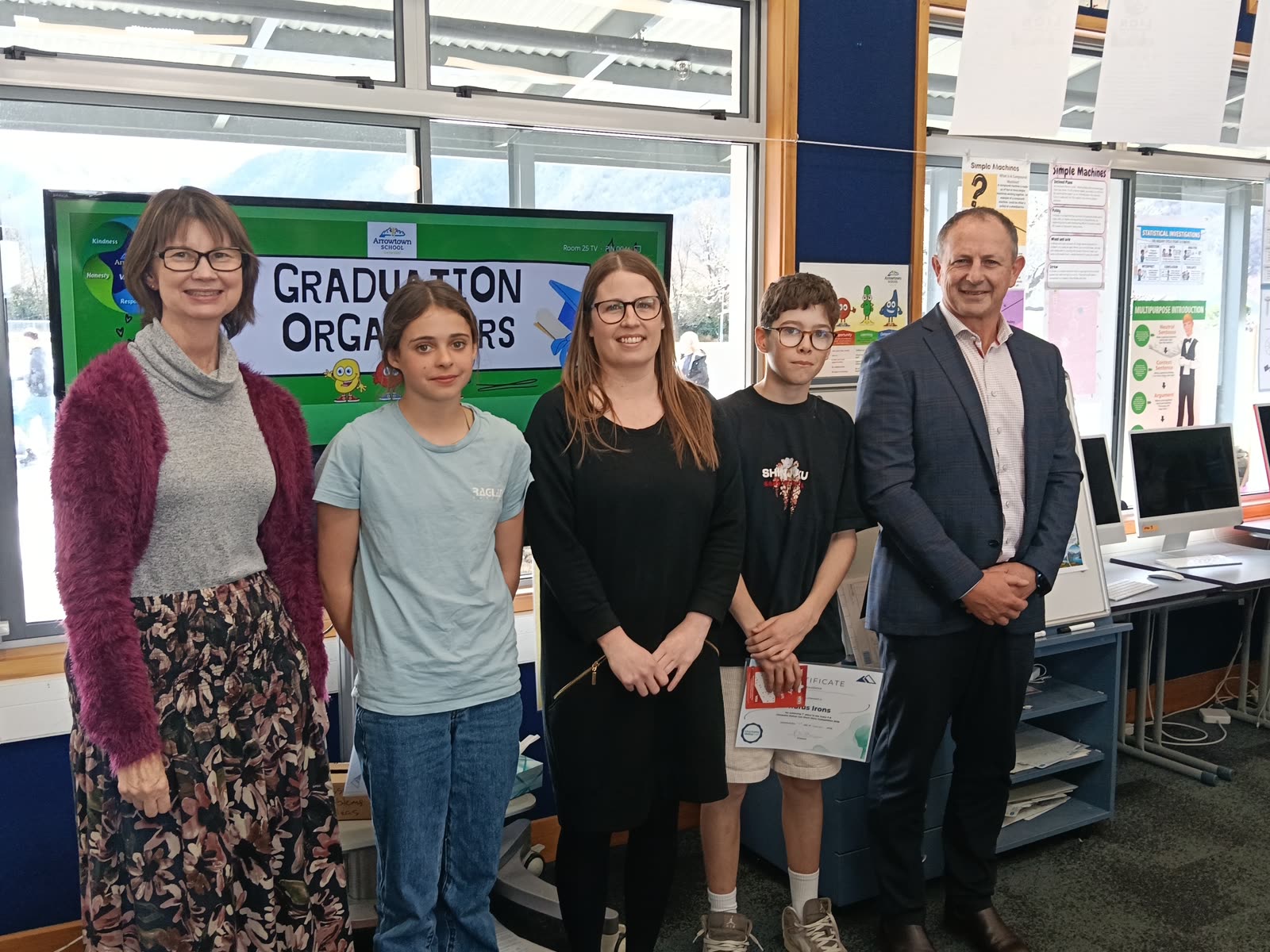
Presentation moments
Celebrating the young writers recognised at school assemblies across Central Otago and Queenstown Lakes.


From the judges
Judging a short story competition is a bit like Christmas – all those exciting presents wrapped up and ready to be opened. And like Christmas, it has been a delight. We’ve been very impressed with the quality of writing and the imagination shown in the stories, particularly in the mass of entries from Year 9 students. Some of you definitely have a talent for writing and we hope you’ll continue to develop this over the next few years. Well done.
There were a few ‘ingredients’ we were looking for in a good story. Obviously, you needed to stick to the rules, and some entries were let down by having only a very vague link to Central Otago. Most of the stories were well-written in terms of language and grammar, and we made allowances in some of the junior entries where a few slip-ups didn’t detract from the overall quality.
We wanted stories that grabbed our attention, and the ones that scored most highly were original or made us laugh. There were lots of stories, understandably, that centred on the gold rush, the river, the Alexandra Clock and Cromwell’s big fruit; the stories that made the cut were the ones that took a slightly different angle, that set believable characters in the familiar landscape. Character can be shown through the way people speak, and some of the stories included excellent dialogue. In general, dialogue speeds up a story and description tends to slow it down, and the best stories found a balance between the two.
The shape of the story, or its ‘arc’, is a crucial ingredient. Description on its own doesn’t make a good story – it needs to go somewhere – and the best entries not only grounded us in place but also allowed us to feel that the character had learned something or somehow changed by the end of it.
For Years 5–6 we chose Mystery in Omakau as prizewinner. The writing was confident (and competent), woven through with elements of fear and surprise, with a great twist at the end.
First place in Years 7–8 is The Postmaster. It’s original and inventive, and beautifully constructed.
Years 9–13 was a big spread in age and the quality of writing was very impressive throughout that range. First place goes to After the Thaw, for its skillful interweaving of people and nature in a natural disaster. It’s a mature and perceptive piece of writing, with strong characterisation and believable relationships. Second is 300 Kilos, a different and imaginative take on the gold rush, again with good characterisation and strongly embedded in the region. Third place goes to The Pie Perpetrator. Of all the stories we read, this one made us laugh the most – a delightfully original and imaginative piece that shows a good understanding of crime stories.
There were so many stories in all the age groups that we’d have liked to give prizes to, and our short list of highly commended and commended entries shows that there’s a lot of writing talent in the region. Keep on practising and honing your skills; even if you don’t win a prize, (and judging is always subjective), you’ll have the satisfaction of continuing to grow a skill which is not only fun but opens you to a limitless world of imagination.
Judges

Rosemary Riddell spent 30 years first as a lawyer and then, from 2006, as a judge in the Hamilton District Court. She directed the short film and feature film The Insatiable Moon, wrote To Be Fair: Confessions of a District Court Judge, and now chairs a Trust offering writers’ retreats and residencies.
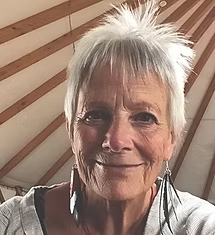
Bridget Auchmuty lives in the Ida Valley and has written poetry and fiction ever since she could hold a pen. She has taught fiction and poetry on Creative Writing degree programmes at Nelson and Massey, and her writing has been published in Aotearoa and overseas. Her poetry collection Unmooring was published in 2020.
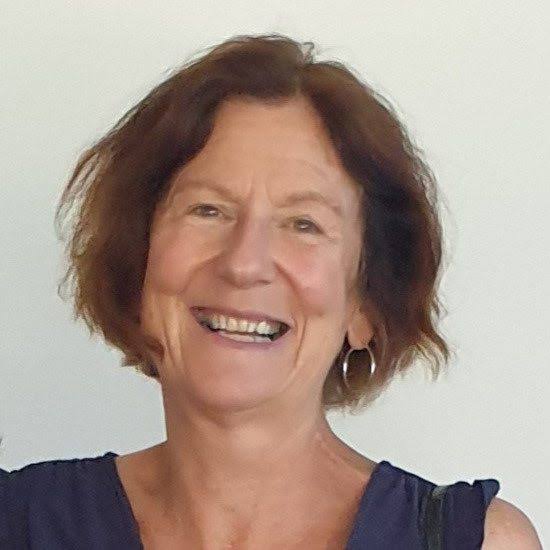
Annie Villiers has deep roots in Central Otago and assisted the competition as Chief Sifter. Her published works include two poetry collaborations with Dunedin artist John Z Robinson and a novel, with poems and articles published in magazines and journals nationally and internationally.